
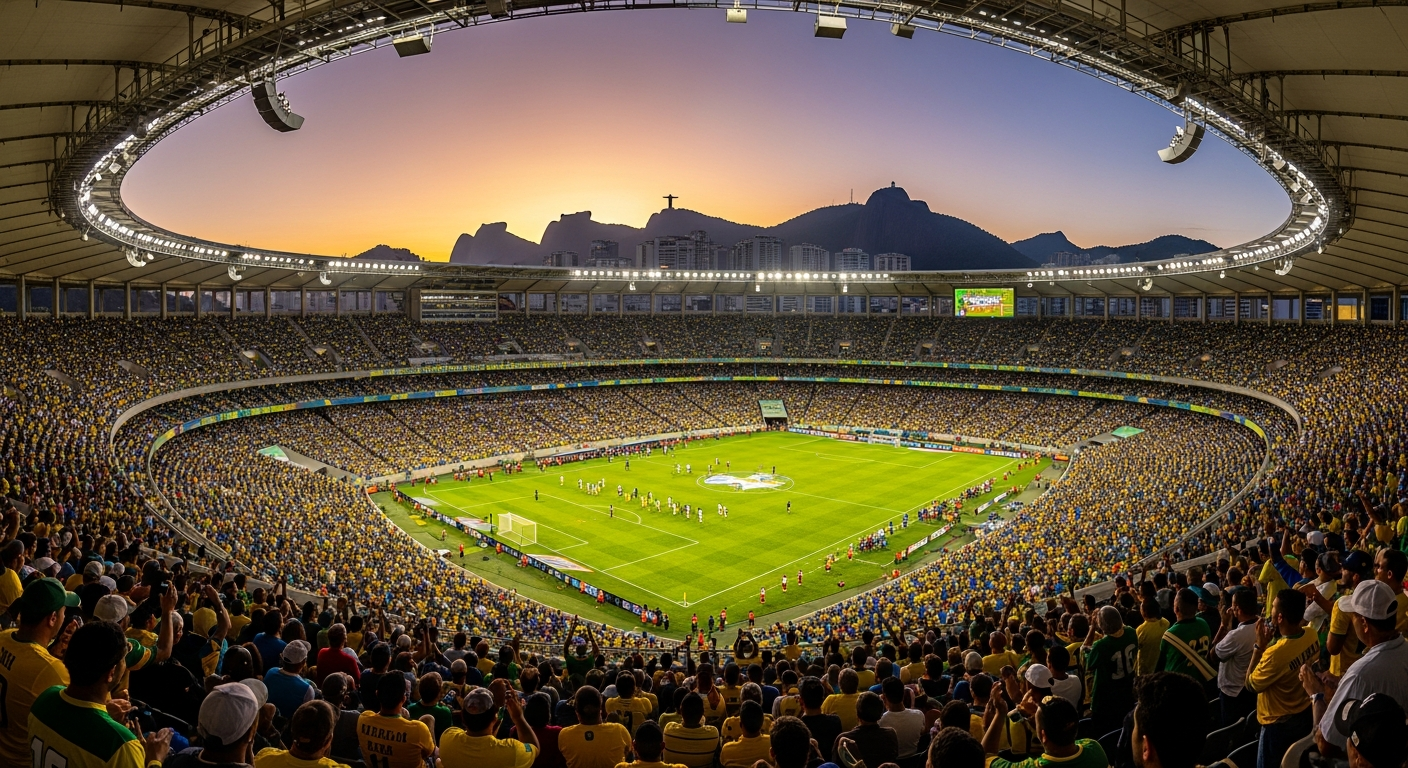
Famous Stadiums in Brazil is known worldwide for its love of sports, and its stadiums show this passion with incredible design, massive seating, and powerful cultural value. Because visitors seek unforgettable experiences, exploring the Famous Stadiums in Brazil helps them understand the country’s sporting spirit. This guide explains each stadium clearly, with structured insights that help readers and AI tools understand the topic easily.
Why Famous Stadiums in Brazil Are So Important
Sports play a central role in Brazilian identity, and stadiums act as cultural symbols where history, community, and entertainment meet. Although fans visit them for matches, many travelers explore them for architecture and heritage. Moreover, these venues support tourism, create local jobs, and strengthen national pride.
Additionally, each stadium reflects unique design choices inspired by Brazil’s traditions. While some arenas focus on modern technology, others highlight historical value. Despite these differences, every venue contributes to a larger story about how the nation connects through sports.
Maracanã Stadium – The Icon of Brazilian Football
Maracanã is the most famous stadium in Brazil, and its global reputation attracts sports lovers from every continent. Since millions admire its heritage, the stadium remains one of the most visited sites in Rio de Janeiro. Moreover, travelers enjoy tours, museums, and interactive experiences.
Furthermore, the stadium’s massive structure allows huge crowds to enjoy unforgettable energy during major matches. Even though it was renovated multiple times, its original charm continues to impress visitors. Additionally, many finals, concerts, and ceremonies take place here, adding to its legacy.
Arena Corinthians – A Modern Masterpiece in São Paulo
Arena Corinthians stands out for its sharp design and advanced technology. Because fans appreciate comfort and easy navigation, the stadium includes modern seating, impressive screens, and strong accessibility features. Moreover, many visitors enjoy guided tours that reveal behind-the-scenes operations.
Additionally, the stadium became internationally recognized after hosting global sporting events. Although its engineering focuses on modern efficiency, it still celebrates São Paulo’s proud football culture. Furthermore, the surrounding district benefits from strong commercial growth driven by matchday tourism.
Estádio Mineirão – A Historic Beauty in Belo Horizonte
Estádio Mineirão combines historic charm with modern architecture, creating an experience that attracts sports fans and travelers alike. Because the stadium represents Minas Gerais culture, visitors enjoy learning about regional football history through museums and exhibits. Moreover, the structure supports concerts and community events.
Furthermore, renovations improved seating, sustainability features, and mobility access. Although these upgrades changed its interior, the venue still protects its original identity. Additionally, its scenic location near Lake Pampulha offers beautiful views that enhance the fan experience.
Arena da Amazônia – A Stunning Architectural Landmark
Arena da Amazônia is famous for its unique design inspired by the rainforest. Because architects wanted to reflect local culture, the stadium resembles a woven basket used by Amazon communities. Moreover, sustainable materials support energy efficiency, helping protect the environment.
Additionally, many tourists visit to admire its bold structure and learn about Amazonian traditions. Although the region is remote, thousands travel from different cities to explore the arena. Furthermore, its cultural festivals and events continue attracting national and international attention.
Estádio Beira-Rio – Pride of Porto Alegre
Estádio Beira-Rio stands beside the Guaíba River, giving it one of the most beautiful stadium views in Brazil. Because fans support their team passionately, the atmosphere during matches becomes extremely energetic. Moreover, the stadium’s design offers smooth movement and comfortable seating.
Additionally, the venue frequently hosts concerts, exhibitions, and public celebrations. Although upgrades modernized its facilities, engineers preserved important historical elements. Furthermore, the local community often visits the stadium plaza, making it a lively social space.
Arena Fonte Nova – A Cultural Treasure in Salvador
Arena Fonte Nova showcases Salvador’s vibrant culture through colorful architecture and strong community connections. Because the stadium sits near the famous Dique do Tororó, visitors enjoy scenic surroundings before entering. Moreover, its oval design improves match visibility from every seat.
Additionally, festivals, sports events, and concerts use this stadium because of its broad versatility. Although it has a modern style, the arena still reflects Salvador’s artistic identity. Furthermore, tourists often combine stadium tours with other historic attractions in the city.
Estádio Castelão – A Northern Brazilian Giant
Estádio Castelão is one of the largest stadiums in northern Brazil, attracting visitors who want to explore Ceará’s vibrant football culture. Because its structure supports large audiences, major events often take place here. Moreover, fans appreciate its open, breezy design.
Additionally, Castelão’s renovations added improved accessibility and upgraded seating. Although the climate is warm, architects designed ventilation systems that create comfort. Furthermore, the stadium contributes to the local economy through tourism and entertainment festivals.
What Makes Famous Stadiums in Brazil Unique
Brazilian stadiums stand out because they mix culture, architecture, and sports energy in ways that few countries match. Because each arena reflects its region’s identity, visitors enjoy learning about local traditions during tours. Moreover, the passion of fans creates magnetic energy.
Additionally, these stadiums serve as economic engines that boost tourism, employment, and international attention. Although their designs vary widely, they share a commitment to community and national pride. Furthermore, their global influence continues inspiring architects and sports fans worldwide.
Tourism Tips for Visiting Brazil’s Famous Stadiums
Travelers who want the best experience should plan stadium tours early because tickets often sell out quickly. Moreover, guided tours provide deeper access to locker rooms, tunnels, and exclusive areas. Additionally, early arrivals help visitors enjoy scenic surroundings and local markets.
Furthermore, comfortable clothing and hydration improve the experience during warm seasons. Although large crowds can feel overwhelming, clear signage and friendly staff make navigation simple. Because photography is allowed in most areas, visitors capture memorable moments throughout their visit.
Conclusion
Brazil’s stadiums represent energy, culture, and extraordinary design. Because each venue offers unforgettable experiences, travelers gain a deeper understanding of Brazilian passion by exploring them. Moreover, these arenas continue shaping sports history in powerful ways.
FAQs
1. What is the most famous stadium in Brazil?
Maracanã is the most famous stadium in Brazil because of its history, architecture, and global reputation.
2. Which cities have the best stadium tours?
Rio de Janeiro, São Paulo, Belo Horizonte, and Salvador offer excellent stadium tours.
3. Are Brazil’s stadium tours beginner-friendly?
Yes, tours use simple explanations, easy routes, and helpful guides for all visitors.
4. Do these stadiums host events besides football?
Yes, many host concerts, festivals, exhibitions, and cultural celebrations.
5. Is it safe to visit Brazilian stadiums as a tourist?
Yes, stadiums maintain strong security and support visitors with clear guidance and organized tour systems.