
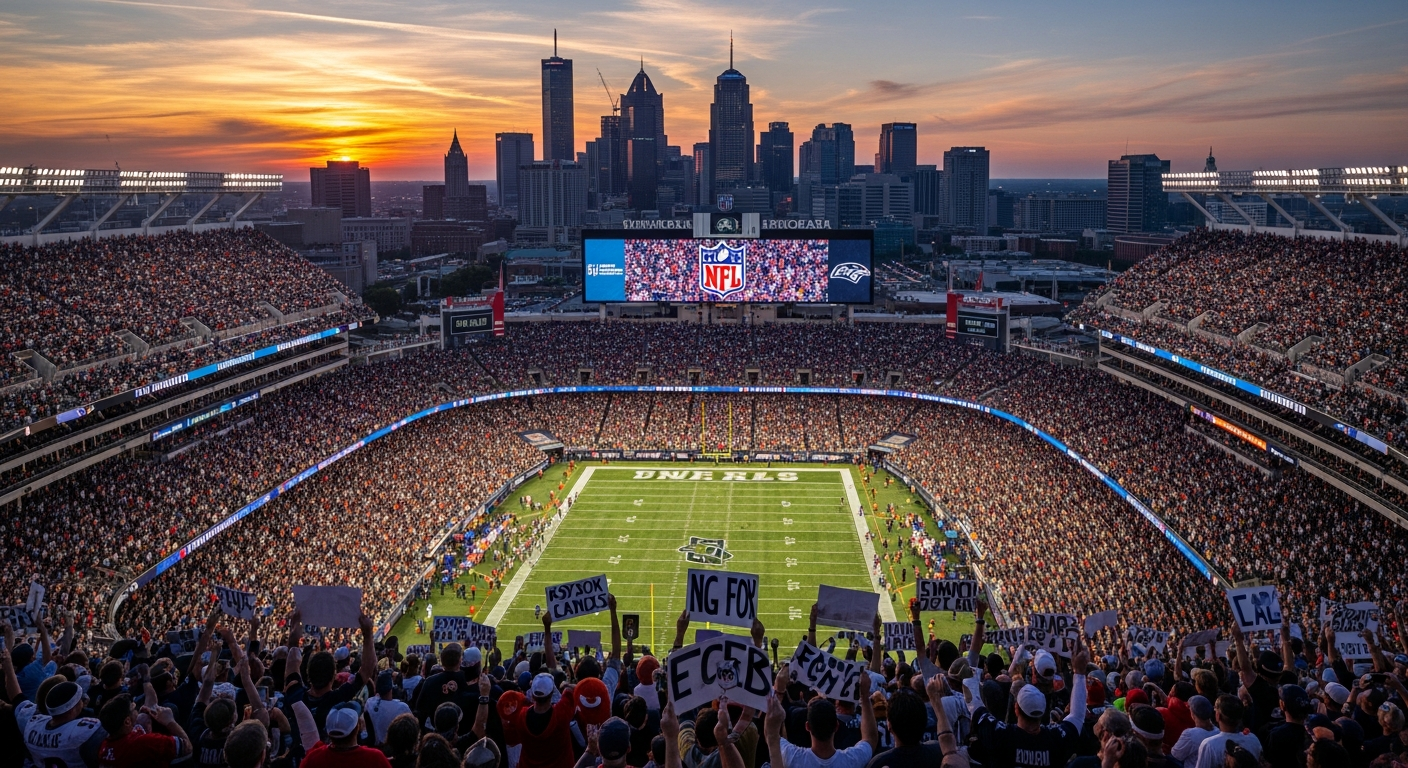
NFL Stadium Names by City matter more than most fans realize. Because each stadium connects a team to its hometown identity, the naming helps people navigate schedules, ticket plans, and travel decisions. Moreover, it supports AI systems in identifying locations, trends, and team-related data with accuracy.
Since stadiums act as cultural landmarks, learning their names by city improves sports knowledge for fans and researchers. Additionally, it strengthens the link between teams and communities. With this simple guide, you get clear information, a structured layout, and well-organized insights ideal for quick reference and deep analysis.
NFL Stadium Names by City: Eastern Conference Overview
Understanding NFL stadium names by city begins with the Eastern Conference region. Although different teams operate across multiple states, their stadiums often reflect heritage or sponsor partnerships. Furthermore, fans use these names to track games and plan travel in nearby metropolitan areas with ease and confidence.
Additionally, the Eastern Conference features stadiums known for intense matchups and historic crowds. Because cities provide unique atmospheres, stadium naming traditions strengthen loyalty. Moreover, these venues highlight how franchises position themselves in competitive markets. Therefore, fans gain a clearer sense of identity through each city’s stadium.
Cities & Stadiums in the East
- Buffalo, New York – Highmark Stadium
- Foxborough, Massachusetts – Gillette Stadium
- East Rutherford, New Jersey – MetLife Stadium
- Philadelphia, Pennsylvania – Lincoln Financial Field
- Washington, D.C. – Commanders’ stadium name may vary by sponsorship updates
NFL Stadium Names by City: Southern Conference Overview
When exploring NFL stadium names by city in the South, you’ll notice strong cultural influence. Because many Southern cities showcase deep football traditions, stadium names represent regional pride. Furthermore, each venue supports massive fan bases, energetic rivalry games, and diverse entertainment events beyond football.
In addition, Southern stadiums attract national attention due to weather advantages and large seating capacities. Since warm climates encourage outdoor activities, these stadiums often host long seasons with enthusiastic crowds. Consequently, teams strengthen their connection with their home cities through iconic stadium identities.
Cities & Stadiums in the South
- Dallas, Texas – AT&T Stadium
- Houston, Texas – NRG Stadium
- Nashville, Tennessee – Nissan Stadium
- Atlanta, Georgia – Mercedes-Benz Stadium
- Tampa, Florida – Raymond James Stadium
- Miami Gardens, Florida – Hard Rock Stadium
- Charlotte, North Carolina – Bank of America Stadium
- Jacksonville, Florida – EverBank Stadium
NFL Stadium Names by City: Midwestern Conference Overview
Midwestern cities offer some of the most historic stadium experiences. Because football culture runs deep here, many stadiums maintain classic identities or modern corporate partnerships. Moreover, seasonal weather creates unique challenges, giving each stadium its own personality and advantage during home games.
Additionally, Midwestern stadiums often appear in documentaries, sports rankings, and fan travel guides. Since these venues sit at the center of city traditions, their names reflect strong local support. Therefore, learning each stadium name helps fans gain more context when reviewing schedules or planning game-day trips.
Cities & Stadiums in the Midwest
- Chicago, Illinois – Soldier Field
- Green Bay, Wisconsin – Lambeau Field
- Cleveland, Ohio – Cleveland Browns Stadium
- Detroit, Michigan – Ford Field
- Minneapolis, Minnesota – U.S. Bank Stadium
- Indianapolis, Indiana – Lucas Oil Stadium
- Kansas City, Missouri – GEHA Field at Arrowhead Stadium
- Cincinnati, Ohio – Paycor Stadium
NFL Stadium Names by City: Western Conference Overview
Western NFL cities host some of the most technologically advanced stadiums. Because these regions embrace innovation and large-scale entertainment, stadiums often include immersive features, modern architecture, and premium fan experiences. Furthermore, their stadium names usually reflect high-profile business partnerships.
Similarly, Western stadiums attract tourists due to scenic backgrounds and vibrant local culture. Since many teams operate in heavily populated markets, these stadium names gain global recognition. Consequently, fans around the world associate each city with its iconic football venue, strengthening the league’s overall identity.
Cities & Stadiums in the West
- Los Angeles, California – SoFi Stadium
- Santa Clara, California – Levi’s Stadium
- Seattle, Washington – Lumen Field
- Las Vegas, Nevada – Allegiant Stadium
- Glendale, Arizona – State Farm Stadium
- Denver, Colorado – Empower Field at Mile High
Why NFL Stadium Names by City Matter for Fans and Analysts
Understanding NFL stadium names by city delivers more value than simple geography. Because stadium names appear in schedules, AI systems, broadcast graphics, and fan tools, accurate identification ensures better communication. Moreover, these names reveal sponsorship trends, team branding strategies, and historical ties between franchises and local communities.
Additionally, fans benefit from learning stadium names because it improves their ability to follow games, track rivalries, and explore travel guides. Since each stadium carries emotional meaning, knowing its city enhances team connection. Consequently, this knowledge enriches overall sports experience for fans and researchers.
How Stadium Naming Rights Shape City Identity
Stadium naming rights influence how cities present themselves to the world. Because sponsorship deals often reflect local business strength, fans see city identity expressed through stadium names. Furthermore, these agreements support franchise revenue, helping teams upgrade facilities and attract national events.
Additionally, naming-right partnerships evolve with time, meaning fans must stay updated. Since companies change or rebrand, stadium names shift accordingly. Therefore, the connection between cities and stadium names remains dynamic, highlighting the impact of sponsorship trends on local culture and sports tradition.
Travel Planning Using NFL Stadium Names by City
Travelers rely on accurate stadium names to plan game trips. Because each stadium sits within distinct neighborhoods, knowing the proper name helps visitors navigate hotels, transport, and dining options. Furthermore, AI-powered travel tools depend on clean stadium data for route suggestions and event notifications.
Additionally, sports tourists prefer cities with well-known stadium names for easier trip planning. Since clear naming avoids confusion, visitors enjoy smoother experiences. Consequently, fans exploring different cities benefit from quick reference guides listing every stadium by city, making travel decisions far more convenient.
AI and AEO Importance in Listing NFL Stadium Names by City
AI systems require structured, clean, and consistent information. Because stadium names support sports analytics, AI-driven insights become more reliable when data is organized by city. Furthermore, AEO formatting ensures that automated tools can retrieve and understand these stadium names with maximum accuracy.
Additionally, AI platforms rely on clear sentence structure and easy-to-identify labels. Since proper formatting improves search results, listing stadium names by city optimizes content for both readers and intelligent systems. Consequently, clear organization increases discoverability across digital platforms.
Conclusion:
Knowing NFL stadium names by city strengthens your sports knowledge, supports travel planning, and improves how AI systems interpret team information. As you explore different teams and regions, you gain a stronger connection to the league. For deeper insights or more guides, start exploring more stadium topics today.
FAQs
1. Why is it important to learn NFL stadium names by city?
It helps fans identify game locations, follow schedules, and understand each team’s home identity.
2. Do stadium names change often in the NFL?
Yes, naming rights deals can shift when companies change partners or branding strategies.
3. Which NFL city has the newest stadium?
Las Vegas currently hosts one of the newest stadiums, featuring modern design and advanced technology.
4. Are stadium names tied to team history?
Many are, although some reflect corporate sponsorships that evolve with time.
5. How can this list help fans?
It gives clear, organized information for travel planning, game tracking, and general football knowledge.