

Modern Stadium Architecture UK stands as a symbol of innovation, sustainability, and community engagement. Over the past few decades, British stadiums have transformed from simple sports arenas into architectural landmarks that inspire global admiration. Today, every detail — from seating layouts to digital integration — defines how fans experience live events.
Evolution of Modern Stadium Architecture in the UK
British stadiums have evolved dramatically. Modern Stadium Architecture UK Initially, they focused mainly on functionality. Gradually, design and comfort became top priorities. Modern architects now emphasize aesthetics, accessibility, and environmental performance. With advanced materials and smart technologies, UK stadiums showcase the perfect mix of tradition and innovation.
Sustainability has become a guiding principle. Designers increasingly use renewable energy, efficient lighting, and water-saving systems. As a result, stadiums like Tottenham Hotspur Stadium and Emirates Stadium set benchmarks for eco-friendly construction. This shift proves that architecture can blend passion for sports with environmental responsibility.
Furthermore, modern stadium architecture in the UK promotes inclusivity. Every design ensures accessibility for all visitors. Wider entrances, better visibility, and inclusive facilities help fans enjoy the experience equally.

Innovative Design Elements Transforming Stadiums
Architects in the UK prioritize innovation. Modern Stadium Architecture UK They use cutting-edge materials, digital modeling, and modular structures. These innovations create stronger, lighter, and more sustainable stadiums. Glass façades, retractable roofs, and multi-use arenas represent this new design era.
Modern stadiums also focus on acoustics and crowd flow. Proper sound design ensures an immersive atmosphere without overwhelming visitors. Likewise, optimized seating arrangements help manage crowds efficiently while maintaining comfort. Every design decision enhances safety and excitement.
Moreover, smart technology integration plays a major role. From digital ticketing to real-time navigation, technology shapes the fan experience. Stadiums now connect seamlessly with smartphones, offering instant access to replays, statistics, and concessions.
Sustainability and Green Building Practices
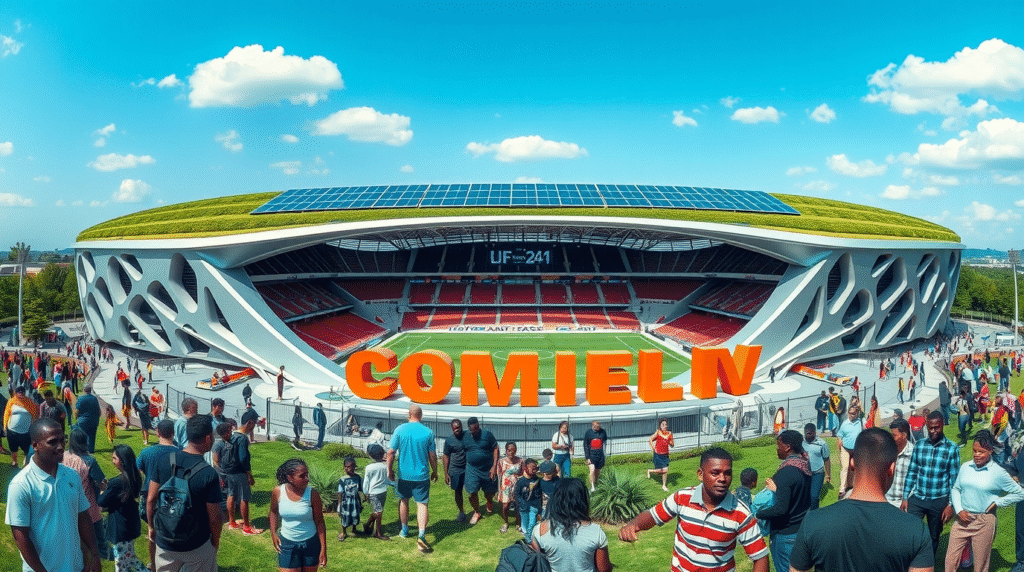
Sustainability drives modern architecture in the Modern Stadium Architecture UK increasingly adopt green roofs, solar panels, and rainwater harvesting. These efforts reduce carbon emissions while cutting operational costs. By using recycled materials, architects demonstrate environmental commitment.
Energy-efficient lighting and ventilation systems improve sustainability further. For example, LED lighting reduces energy use without compromising visibility. Such measures align with global efforts toward greener construction.
In addition, location planning supports sustainability goals. Many stadiums sit near public transport links, encouraging fans to travel responsibly. Walkways and cycle routes add convenience and promote eco-friendly habits.
Enhancing Fan Experience Through Design
Modern stadium architecture in the UK prioritizes fan engagement. Modern Stadium Architecture UK Every design element aims to enhance comfort, visibility, and excitement. Spacious seating, clear sightlines, and comfortable amenities elevate the viewing experience.
Technology enriches engagement. Augmented reality, big screens, and interactive displays keep fans connected. Mobile apps allow visitors to order food, find restrooms, or replay highlights without leaving their seats.
Additionally, architects design stadiums for atmosphere. Lighting, sound systems, and crowd proximity create thrilling environments. Each fan feels part of the action, boosting emotional connection with the game.

Smart Stadiums: Integrating AI and IoT Features
Artificial Intelligence (AI) and the Internet of Things (IoT) redefine how UK stadiums operate. Sensors monitor crowd movement, energy use, and air quality in real-time. These insights help improve efficiency and security.
AI-driven systems personalize the fan experience. Predictive algorithms suggest parking spots, guide seating, and even recommend merchandise. This personalization turns a simple game day into an unforgettable digital journey.
Moreover, smart security systems enhance safety. Facial recognition and automated alerts respond quickly to potential risks. These advancements prove how technology strengthens both convenience and protection.
Architectural Icons: UK’s Most Advanced Stadiums
Several UK stadiums stand as examples of modern excellence. The Tottenham Hotspur Stadium leads with its retractable pitch and energy-efficient systems. Its hybrid design supports both football and NFL games, showcasing versatility.
Wembley Stadium remains a national landmark, symbolizing grandeur and innovation. Its iconic arch defines the London skyline while supporting a lightweight roof structure.
The Emirates Stadium combines sustainability with fan comfort. Designed with natural light and superior ventilation, it represents architectural brilliance. These venues demonstrate how design and purpose unite perfectly.
Balancing Tradition with Innovation
Modern UK stadium architecture respects heritage. Designers carefully integrate historical references into futuristic structures. This balance honors the past while embracing new possibilities.
Restoration projects, such as Anfield’s expansion, retain historic charm while upgrading capacity and facilities. Fans appreciate familiar surroundings enhanced by modern conveniences.
Through this approach, architects preserve community identity. They prove that innovation can evolve without erasing tradition. This blend strengthens emotional ties between clubs and supporters.
Economic and Community Impact of Modern Stadiums
Stadiums contribute more than entertainment. They drive local economies by attracting tourism, jobs, and investment. New constructions often revitalize surrounding neighborhoods, improving infrastructure and lifestyle.
Local communities benefit directly. Public spaces, retail outlets, and cultural events transform stadium zones into year-round destinations. People visit not just for sports but also for leisure, shopping, and dining.
Additionally, sustainable designs reduce long-term operational costs. These savings benefit both teams and local councils, ensuring lasting economic growth.
Role of Digital Infrastructure in Stadium Design
Digital infrastructure powers modern stadiums. High-speed Wi-Fi, 5G networks, and digital displays enhance communication. Fans share experiences instantly while enjoying uninterrupted connectivity.
Control centers monitor everything — from lighting to temperature. This real-time management improves comfort and reduces waste. Furthermore, cloud-based systems simplify operations and ensure data security.
As technology evolves, digital architecture becomes inseparable from stadium design. Future upgrades will continue shaping how people interact with these smart venues.
The Future of Stadium Architecture in the UK
The next generation of UK stadiums will go beyond imagination. Sustainable materials, AI-driven maintenance, and interactive seating will dominate. Fans will enjoy experiences blending virtual and physical realities.
Automation will make maintenance effortless. Drones and AI tools will inspect structures efficiently. Designers will focus more on flexibility, allowing stadiums to host diverse events — from concerts to esports.
Ultimately, architecture will keep evolving with human needs, ensuring stadiums remain timeless symbols of innovation and unity.
Conclusion:
Modern stadium architecture in the UK reflects passion, progress, and sustainability. Through innovation, inclusivity, and technology, these structures redefine what a sports venue can be. Every new project stands as proof that great design can inspire communities, protect the planet, and enhance fan joy.
FAQs
1. What defines modern stadium architecture in the UK?
It combines innovative design, sustainability, and smart technology to improve fan experience and environmental efficiency.
2. How do UK stadiums promote sustainability?
They use renewable energy, green materials, and efficient systems to reduce emissions and conserve resources.
3. Which UK stadium is considered the most advanced?
The Tottenham Hotspur Stadium is widely recognized for its cutting-edge design and smart systems.
4. How does technology enhance fan experience?
AI, IoT, and mobile integration allow fans to enjoy personalized, interactive, and convenient game-day experiences.
5. What is the future trend in UK stadium architecture?
Future designs will focus on sustainability, smart automation, and immersive digital experiences for all visitors.