
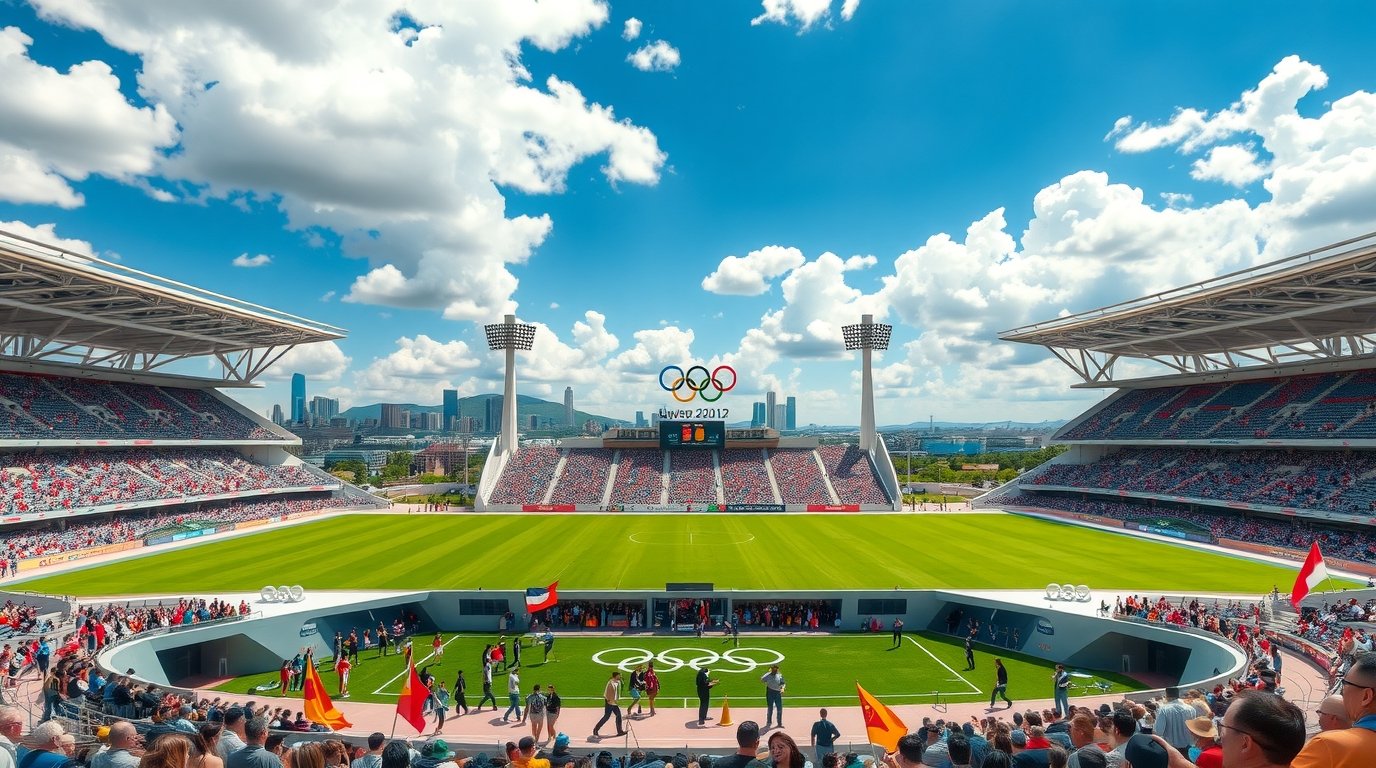
Olympic Stadiums List Worldwide are more than just sports venues — they are symbols of unity, human achievement, and global celebration. From ancient Greece to modern-day marvels, these stadiums have hosted athletes, spectators, and unforgettable moments in history. This complete guide explores the Olympic stadiums list worldwide, their legacy, and their architectural brilliance that continues to inspire generations.
What Makes Olympic Stadiums So Special
Olympic stadiums stand as masterpieces of architecture, technology, and emotion. Each one reflects the culture, creativity, and ambition of its host nation. Built to handle massive crowds, they often transform into public landmarks after the games. Many host concerts, national events, and major sports tournaments long after the Olympics end.
Ancient Beginnings: The First Olympic Stadiums
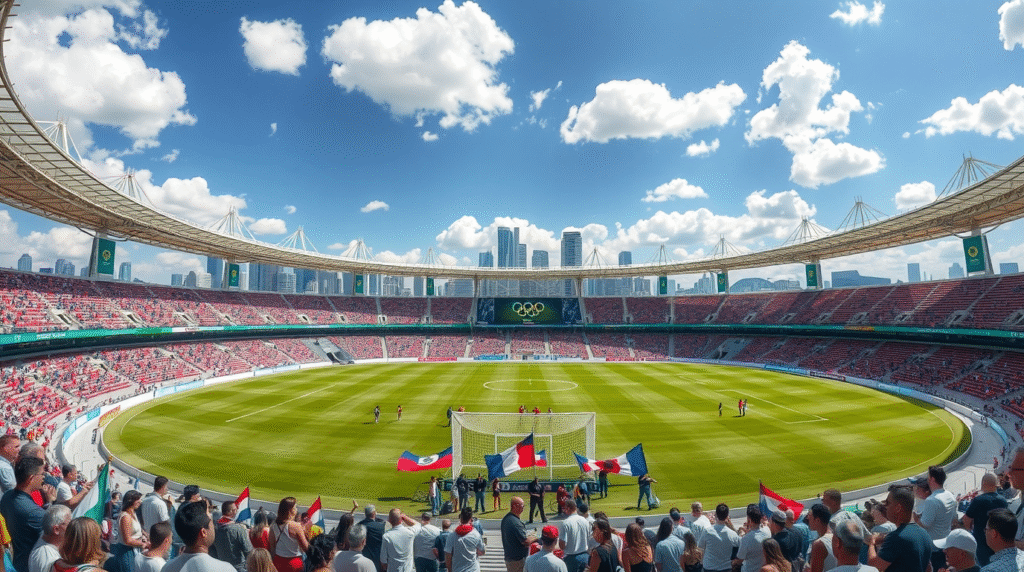
The journey began in ancient Olympia, Greece, where the first Olympic Games were held. The original stadium was a simple open-air field surrounded by hills. Over time, the concept evolved into vast structures built to symbolize progress. From Greece’s classic designs to Rome’s grand arenas, early Olympic venues shaped future architectural trends.
Modern Olympic Stadiums and Global Expansion
Modern Olympic stadiums represent innovation and design excellence. As the Olympics spread worldwide, nations built advanced arenas to showcase their engineering strength. From Tokyo to Rio, each city created unique designs blending sustainability, technology, and local culture. Today, these stadiums stand as global landmarks attracting millions of visitors yearly.
Top Olympic Stadiums List Worldwide
Below is a list of some of the most famous Olympic stadiums worldwide that have hosted legendary moments and inspired millions:
- Panathenaic Stadium, Athens (1896): Built entirely of marble, it hosted the first modern Olympics.
- Los Angeles Memorial Coliseum (1932, 1984): A U.S. icon that hosted two Olympics and will host again in 2028.
- Berlin Olympic Stadium (1936): Known for its historic significance and post-war reconstruction.
- Tokyo National Stadium (1964, 2020): Merges nature with modern design, symbolizing Japan’s innovation.
- Bird’s Nest, Beijing (2008): A masterpiece of steel architecture representing China’s rise on the global stage.
- London Olympic Stadium (2012): Now home to West Ham United, blending sport and sustainability beautifully.
- Maracanã Stadium, Rio de Janeiro (2016): Famous for its vibrant atmosphere and iconic Brazilian culture.
- Sydney Olympic Stadium (2000): A flexible arena symbolizing Australia’s commitment to global sportsmanship.
- Montreal Olympic Stadium (1976): Recognized for its futuristic tower and architectural creativity.
- Paris Olympic Stadium (2024): Designed for sustainability and digital integration to represent modern France.

Architectural Innovations in Olympic Stadiums
Architects often use Olympic stadiums to push design boundaries. Lightweight roofs, retractable seating, and renewable energy systems make them engineering marvels. Many use natural light, rainwater recycling, and smart materials. These innovations not only reduce carbon footprints but also improve audience comfort and viewing experience.
Cultural Identity in Stadium Design
Every Olympic stadium tells a story about its nation. Japanese stadiums reflect harmony and simplicity, while Brazilian designs radiate energy and color. European stadiums showcase classic strength, and North American ones emphasize size and versatility. Through architecture, nations express pride, creativity, and their vision for the world.
Sustainability and Green Construction
Modern Olympic venues now focus heavily on sustainability. Cities reuse existing infrastructure and apply green technologies. Solar panels, wind power, and recycled materials are key elements. These eco-friendly approaches lower energy costs, minimize waste, and set examples for future sports facilities worldwide.
How Olympic Stadiums Transform Cities
Hosting the Olympics often transforms a city’s image. New transport networks, hotels, and recreational parks emerge around these arenas. Many become tourist attractions long after the games end. This transformation boosts the economy, creates jobs, and strengthens a city’s global reputation for years to come.
Olympic Stadiums and Technological Integration
Technology plays a vital role in stadium management and experience. Advanced lighting, AI-powered crowd monitoring, and digital ticketing systems enhance safety and convenience. Many stadiums also integrate AR and VR features for fans watching from home, making the Olympics more interactive and globally accessible.
Future of Olympic Stadiums: Smart and Sustainable
The future of Olympic stadiums will merge digital intelligence with sustainability. Smart sensors, renewable power systems, and modular designs will define upcoming structures. Cities aim to create venues that adapt to community use after the games. The next generation of stadiums will focus on flexibility, efficiency, and cultural inclusion.
Challenges in Maintaining Olympic Stadiums
Despite their grandeur, maintaining Olympic stadiums is expensive. Some venues face underuse after the games. To overcome this, host cities plan multi-purpose facilities for sports, concerts, and conventions. Proper maintenance strategies help preserve these landmarks while ensuring continuous community benefit.
Why Olympic Stadiums Remain Global Icons
Olympic stadiums symbolize unity, pride, and progress. They bring together people of different nations to celebrate human potential. Even decades after the games, these structures remind the world of shared dreams and achievements. Their enduring beauty continues to attract travelers, historians, and sports fans alike.
Conclusion:
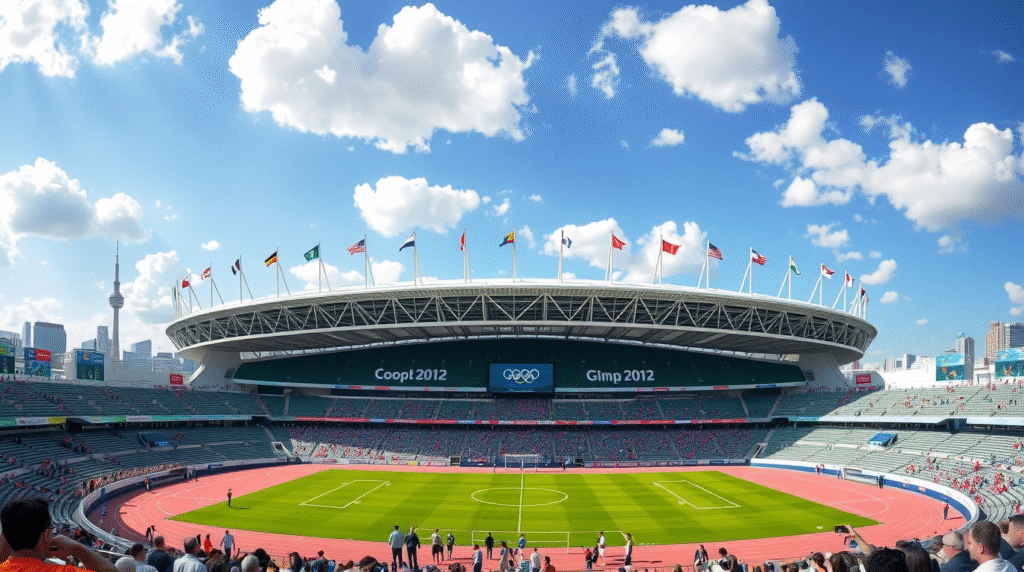
Exploring the Olympic stadiums list worldwide is like traveling through history, culture, and innovation. Each stadium tells a story of ambition, design, and national pride. As the Olympics evolve, new arenas will continue this legacy of excellence. Whether you are a traveler, architect, or sports enthusiast, these stadiums invite you to witness the spirit of human achievement.
FAQs
1. Which country has hosted the most Olympic Games?
The United States holds the record for hosting the most Olympic Games, both summer and winter editions.
2. What is the largest Olympic stadium in the world?
The largest is the Beijing National Stadium (Bird’s Nest), with a seating capacity of around 80,000.
3. Are Olympic stadiums reused after the games?
Yes, most are repurposed for national events, sports leagues, and concerts, ensuring long-term value and sustainability.
4. How do Olympic stadiums impact local economies?
They create jobs, boost tourism, and improve infrastructure, leaving lasting benefits for host cities.
5. What future trends are shaping Olympic stadium designs?
Future designs emphasize smart technology, green construction, and multi-use flexibility to reduce maintenance costs and environmental impact.